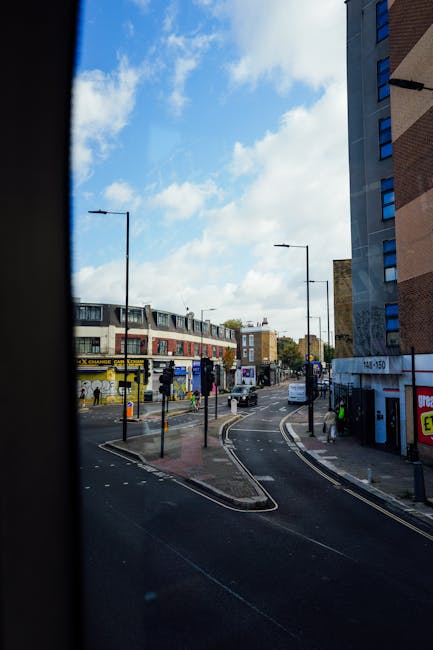
Sodermalm removals guide for narrow stairs and tram access
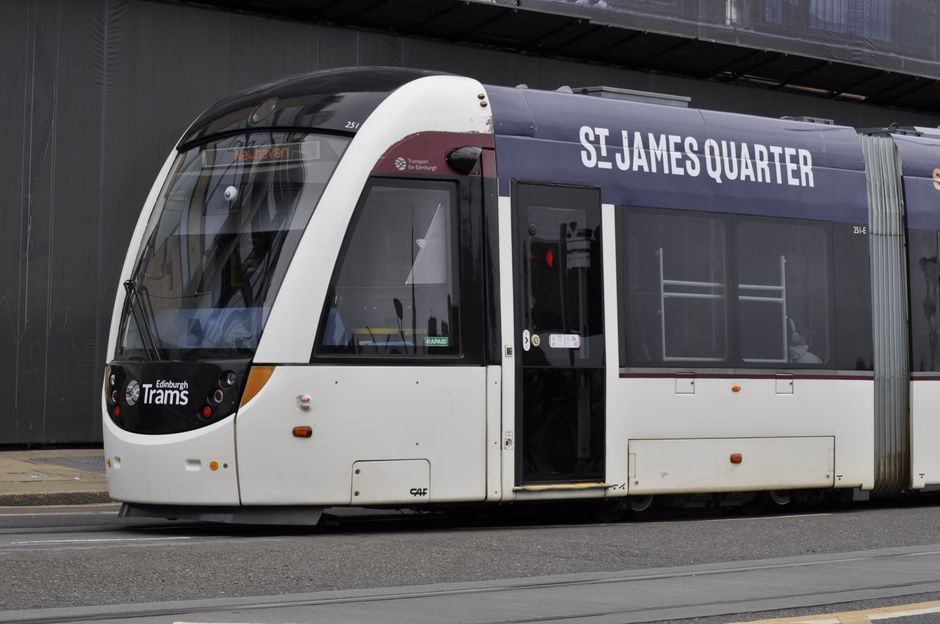
If you are planning a move in Sodermalm, the chances are you already know the awkward bits. Tight stairwells, older apartment blocks, corner landings that seem designed by someone with a grudge, and street access that can change everything on the day. This Sodermalm removals guide for narrow stairs and tram access is built for exactly that kind of move. It explains how to prepare, what to ask, where the risks are, and how to make the job safer and less stressful without overcomplicating it.
To be fair, most moves are manageable once the access plan is right. But in a place where a sofa may not fit cleanly round a staircase and the van cannot simply park anywhere, the details matter. This guide walks you through the practical side of moving in an inner-city neighbourhood, from measuring furniture to timing loading around tram lines, building entrances, and busy pavements.
Whether you are moving out of a flat, bringing furniture in, or coordinating a larger home move, the aim is simple: fewer surprises, fewer delays, and a much cleaner handover on the day.
Why Sodermalm removals guide for narrow stairs and tram access Matters
Moves in Sodermalm often involve a mix of old buildings, compact entrances, and streets that are busy enough without trying to squeeze a wardrobe through a staircase at the same time. That is why planning for access is not a side issue; it is the move. If your route includes narrow stairs or you need to load near tram access, every extra metre, turn, and pause can affect timing and safety.
The most common issue is simple mismatch: a piece of furniture is technically movable, but not in the way it was imagined. A bed frame may fit on paper but fail at the stair bend. A fridge may clear the doorway but catch on the banister. A van may be nearby, yet not close enough for sensible carrying distance. None of that is unusual. It is just how inner-city removals work when buildings are older and street space is tight.
Tram access adds another layer. You may have to think about loading zones, passing traffic, pedestrian flow, and timing so that the move does not clash with peak street activity. It sounds a bit much at first, and honestly, it can be. But once you break it into access, lifting, and transport, the job becomes far more manageable.
If you are also comparing service options, a wider package such as flat removals or home moves may suit your situation better than trying to treat it like a straightforward point-to-point transport job. The right service format matters when stairs and street access are both working against you.
How Sodermalm removals guide for narrow stairs and tram access Works
A move in this kind of setting usually succeeds or fails in the planning stage. The working method is less about brute force and more about sequence. First you identify the access constraints, then you decide what can be moved safely by staircase, what needs dismantling, and what should be protected or re-routed through a different handling method.
Start with the building. Check stair width, ceiling height, landings, bannisters, and the angle of any turns. Older staircases can look fine until you try to rotate a mattress or a tall chest of drawers around a tight corner. Measure the largest items, not just the average ones. That sounds obvious, but people forget it all the time. A coffee table is not the problem. The sofa with one awkward arm is.
Then look at the street. If the van needs to stop near a tram corridor or a busy road, plan where the load-in and load-out will happen. In practical terms, you want the shortest safe carry distance possible, enough space for a door to stay open, and a clean route with no extra obstacles. If the street is busy, timing matters more than speed. Strange but true.
The handling method comes next. Some pieces should be carried upright; others must be moved flat. Some can be dismantled in advance, and some are better left assembled if they are structurally delicate. Good movers will make those calls item by item. For example, a large wardrobe might be safer in sections, while a heavy marble-topped table may need full padding and careful team lifting. There is no one-size-fits-all here.
For moves involving heavier items, people often benefit from specialist support such as furniture removals or, where the job is modest and access is straightforward enough after planning, a flexible man and van service. If the access risk is high, though, the decision should be based on safety, not just convenience.
Key Benefits and Practical Advantages
The biggest benefit of planning properly for narrow stairs and tram access is not glamour. It is control. You reduce the chance of damage, delays, and last-minute panic, which is usually where moves become expensive and exhausting.
- Less risk of damage: Proper measurements and protection help prevent scratches on walls, broken handles, bent frames, and scuffed stair rails.
- Better timing: When access points are planned in advance, the moving team can work steadily instead of stopping every few minutes to problem-solve.
- Safer lifting: Narrow stairs increase the chance of awkward angles and overreach. Good planning cuts that risk down.
- Cleaner loading: Tram-side access or restricted parking can make loading messy unless you know exactly where the vehicle will sit.
- Less disruption to neighbours: A smoother flow reduces noise, blocking, and the dreaded situation where everyone in the building is silently watching from their hallway.
There is also a mental benefit, and that one is easy to underestimate. When you know the route is thought through, you can breathe a bit. You are not standing in a stairwell wondering whether the wardrobe should have been sold instead. It helps, honestly.
For people combining packing and access planning, a service like packing and boxes or packing and unpacking services can make a surprising difference. Better packing means better handling, and better handling means less stress on those tight corners.
Who This Is For and When It Makes Sense
This guide is especially useful if you live in a flat, a converted property, or a building with older stair access where lifts are small, slow, or missing altogether. It also makes sense for landlords, tenants, property managers, and anyone moving into or out of a location near tram routes where curb space is limited.
You will find it useful if any of these sound familiar:
- Your furniture is bulky, old, or not easy to dismantle.
- Your stairwell is narrow, steep, or has tight turns.
- The building entrance opens directly onto a busy street.
- Parking close to the door is limited or uncertain.
- You need to keep the move as quiet and efficient as possible.
- You are moving on a weekday and tram or traffic flow may affect access.
Students moving between flats, for example, often underestimate access problems because the volume of belongings is small. But a small move with a bad staircase can still be awkward. Likewise, a family move might have more boxes, but fewer fragile access points if the route is simpler. Different problem, same need for planning.
If you are moving in a hurry, a same-day solution such as same day removals may be helpful, but only if the access situation is clearly understood first. Urgency and tight stairs do not always play nicely together.
Step-by-Step Guidance
Here is the practical sequence that tends to work best. Keep it simple. Moving day is not the time for improvisation unless you enjoy mild chaos and backache.
- Survey the access route. Walk the full path from room to van. Note stair widths, turns, door swings, ceiling heights, and anything that might snag.
- Measure large items carefully. Include width, depth, height, and any protruding parts such as handles or feet. A tiny ledge can matter more than you think.
- Decide what needs dismantling. Beds, wardrobes, dining tables, and shelving often move better in sections. Keep fixings labelled in bags.
- Protect the building. Use blankets, corner protectors, and floor coverings to reduce damage on stairs and landings.
- Plan the van position. Choose the closest legal and practical stopping point. If tram access affects the street, build in extra time for loading.
- Pack by priority. Heavy, awkward, and fragile items should be identified early, not buried under twenty unrelated boxes.
- Brief everyone clearly. Decide who carries what, who guides larger items, and who checks the route before each major lift.
- Leave a buffer. Tight access almost always takes longer than a straight-lift move. A little time cushion makes the whole day calmer.
A useful habit is to stop and re-check before moving each bulky item. Five seconds there can save five minutes later. Maybe more.
If your move is part of a larger household relocation, a specialist house removals service or experienced house removalists may be a better fit than trying to manage everything with a generic transport approach.
Expert Tips for Better Results
In our experience, the best results come from a few small habits rather than one big hero move. No drama, just good prep.
- Take photos of difficult points. A stair bend, doorway, or loading area photographed in advance can help everyone visualise the route better.
- Use consistent labels. Mark boxes by room and fragility so the team can stack them sensibly. Mixed labels are where time disappears.
- Wrap corners first. The corners of wardrobes, tables, and mirrors are usually where damage starts.
- Keep pathways clear. Shoes, plant pots, recycling bags, and stray boxes become trip hazards very quickly.
- Protect floors near turn points. This is where scuffs happen, especially when someone is backing up with a large item.
- Do the awkward items early. If a sofa or mattress is going to be difficult, move it when everyone still has energy.
One small but very real tip: keep a kettle, mugs, chargers, and a little bit of tea or coffee somewhere accessible. It sounds minor. It is not minor at 9:30 in the morning when the first load has gone and nobody can find the box with the kettle. That box always vanishes, doesn't it?
If you are moving with a piano, fragile art, or heavy heirloom furniture, look at specialist handling such as piano removals rather than assuming standard moving methods will be enough. Unusual items need unusual care.
Common Mistakes to Avoid
Most access problems are avoidable, but only if you do not rush the prep. A few mistakes show up again and again.
- Measuring the room instead of the item: A sofa may fit in the lounge and still fail at the landing.
- Ignoring handles, feet, and hinges: Those small details often create the final obstruction.
- Assuming the van can park anywhere: Tram corridors, busier streets, and local loading restrictions can complicate things fast.
- Not clearing the staircase in advance: One coat stand on a landing can turn a straightforward lift into an awkward dance.
- Overpacking boxes: Heavy boxes are harder to carry on stairs and are more likely to split at the worst possible moment.
- Forgetting the return trip: It is easy to plan the way out and forget the way back when the team must make multiple runs.
A subtle mistake is not thinking about neighbours and building rules. Even where formal permissions are not required, it is still wise to avoid blocking entrances, leaning items against shared walls, or creating long waits in communal areas. A calm move is a better move.
Sometimes the right answer is storage, not force. If you need to split the move across days or the access route is too tight for everything at once, storage can be the sensible bridge between problem and solution.
Tools, Resources and Recommendations
You do not need a truck full of specialist equipment for every move, but a few tools make a huge difference when stairs are tight and the route is fiddly.
| Tool or resource | What it helps with | Why it matters in narrow-stair moves |
|---|---|---|
| Measuring tape | Item and route measurements | Lets you test clearance before lifting anything |
| Furniture blankets | Surface protection | Reduces scuffs on banisters, walls, and furniture edges |
| Stretch wrap and tape | Securing loose parts | Keeps drawers, doors, and fittings from shifting mid-carry |
| Labelled bags for fixings | Disassembly and reassembly | Saves time when furniture has to come apart to fit |
| Floor protection | Shared hallways and stairwells | Useful where repeated trips could mark surfaces |
| Access notes and photos | Planning and briefing | Helps everyone understand the trickiest points before arrival |
On the service side, there are a few sensible options depending on the size of the job. If you need a flexible load-and-go approach, removal van support can work well for smaller moves. For bigger or more complex loads, a moving truck or broader removal services package may be more practical.
For packing support, it can also help to browse packing and boxes and keep the overall move organised from the start. That way, the stairs are the hard part, not the packing process too.
Law, Compliance, Standards, or Best Practice
For a Sodermalm move, the main compliance questions usually relate to safety, access, parking, and reasonable care rather than anything highly specialised. The exact local rules can vary by building and street, so it is always wise to check what applies to your property and loading point before the day arrives.
From a UK best-practice perspective, movers should work safely, manage manual handling risks, protect property appropriately, and communicate clearly about access limitations. That is the practical standard most customers care about anyway. If a stairwell is too narrow for an item to move safely, the answer is not to force it. The answer is to change the method, dismantle the item, or adjust the plan.
Insurance also matters. When access is tight, the risk of accidental contact with walls, floors, or doors goes up a notch. You want to know what cover applies before lifting starts, not after a scrape appears on a painted bannister. A good provider should be able to explain their approach through insurance and safety information and their broader health and safety policy.
For transparency around service terms, pricing expectations, and what happens if plans change, it is sensible to review pricing and quotes and terms and conditions before booking. Not thrilling reading, granted, but useful reading.
Options, Methods, or Comparison Table
Not every narrow-stair move needs the same setup. The right method depends on the size of the load, how tricky the access is, and how much lifting risk you want to avoid.
| Method | Best for | Pros | Watch out for |
|---|---|---|---|
| Standard man and van | Smaller flat moves with manageable stairs | Flexible, efficient, often suitable for lighter loads | May be stretched by bulky furniture or long carries |
| Removal van with extra planning | Moderate moves where access is tight but not extreme | Good balance of capacity and manoeuvrability | Still needs careful stair strategy and parking timing |
| Full removal service | Larger households, mixed furniture, or complex access | More support, better coordination, easier for the customer | May be more than needed for very small jobs |
| Specialist handling for heavy items | Pianos, delicate furniture, unusually shaped pieces | Safer for awkward loads and protective of the item | Needs clear advance notice and exact item details |
For many Sodermalm properties, the sweet spot is a flexible crew with the right equipment rather than a giant vehicle that cannot get near the entrance. A smaller setup can actually be faster when the street is tight and the staircase is the bottleneck.
If you are moving a business or office rather than a home, access planning still matters, just in a different way. In that case, see commercial moves or office removals for a more relevant approach.
Case Study or Real-World Example
Imagine a second-floor flat with a narrow stairwell, a heavy sofa, a mattress, two bookcases, and boxes of kitchenware. On paper, it seems like a straightforward half-day move. In practice, the sofa catches on the landing because the arm is just a little too deep for the turn. The bookcases are fine, but the mattress needs reorientation twice. The street outside is busy, and the van can only stop a short window away from the entrance because of passing traffic and tram movement.
A good outcome in that situation does not come from rushing. It comes from sequence. The team measures the sofa before lifting, pads the stair rail, moves the bookcases first to clear space, and then dismantles the sofa legs before trying again. The mattress is carried flat where possible, and boxes are loaded only after the bulky items are out of the route. The van waits in the nearest sensible spot instead of hunting for the perfect one. Not perfect, but practical. And practical wins.
The move still takes longer than a simple ground-floor job, but the walls stay clean, the furniture stays intact, and nobody ends the day cursing the stairwell. That is the real goal. A clean move with fewer regrets.
Practical Checklist
Use this checklist a day or two before the move. If you can tick most of these off, you are in good shape.
- Measure all large furniture, including handles, feet, and any fixed protrusions.
- Measure stair widths, landings, and tight corners.
- Confirm where the van can legally and safely stop.
- Check whether tram or street activity affects loading times.
- Decide which items need dismantling before moving day.
- Label fixings and keep them with the relevant furniture.
- Protect floors, bannisters, and wall corners.
- Pack heavy items into manageable boxes.
- Keep essential items accessible for the first night.
- Review insurance, safety, and booking terms in advance.
- Allow extra time for tight access and repeated carries.
- Have a plan for storage if the full move cannot happen at once.
If your move includes a few extra unknowns, that is normal. A little uncertainty is part of city moving life. The trick is to reduce the number of unknowns before anyone picks up a box.
Conclusion
A successful move in Sodermalm rarely depends on strength alone. It depends on preparation, route awareness, and choosing the right handling method for narrow stairs and tram-side access. Once you understand the access points, measure carefully, and plan the loading sequence, the whole move becomes more predictable and far less stressful.
For many people, the real difference is not whether the move is difficult. It is whether it feels controlled. That changes everything. You walk in knowing the awkward bits are already accounted for, and that confidence carries a long way on moving day.
Get a free quote today and see how much you can save.
When you are ready, choose the approach that fits your property, your furniture, and your timing. A well-planned move has a quiet kind of beauty to it, and once the last box is inside, it is nice to feel that the hard part was handled properly.
Frequently Asked Questions
How do I know if my furniture will fit down narrow stairs?
Measure the widest and tallest points of the item, then compare them with the narrowest parts of the staircase, including landings and any turns. Do not forget handles, feet, and anything that sticks out. If the measurements are close, it is usually worth planning for dismantling or an alternative carry method.
What should I do if the building entrance is awkward and the van cannot park right outside?
Work out the closest legal stopping point and plan the carry route from there. If tram access or street traffic makes parking uncertain, build in extra time. A slightly longer carry is usually better than forcing a risky stop.
Is a man and van service enough for a move with narrow stairs?
Sometimes, yes. Smaller moves with manageable furniture can work well with a flexible man and van setup. If you have bulky furniture, several floors, or delicate items, a more complete removal service is often the safer choice.
Should I dismantle furniture before moving day?
If an item is large, heavy, or awkward to turn, dismantling usually helps. Beds, shelving, some tables, and wardrobes are common examples. The rule of thumb is simple: if it is likely to snag on a landing, take it apart if you can.
How do tram routes affect removals?
Tram routes can affect where the van stops, how long loading takes, and whether street access is temporarily busier than expected. The key is to plan for slower loading rather than trying to rush through it. Rushing is where mistakes creep in.
What if I have a very heavy item like a piano?
Use specialist handling rather than standard lifting. Heavy, delicate, or expensive items need different equipment and more care, especially on tight stairs. A piano is not the place to test optimism.
Can I use storage if my move cannot be completed in one trip?
Yes, and in awkward access situations that can be the smartest option. Storage helps when the timing, space, or stair access makes a full move unrealistic on the day. It can also reduce pressure if you are moving out before your next place is fully ready.
What is the best way to protect walls and banisters during a move?
Use blankets, padding, and corner protection on the most exposed parts of the route. Protect the stair turn, the narrowest doorway, and any place where an item is likely to swing. That is where damage tends to happen.
How much extra time should I allow for narrow stairs?
There is no fixed rule, because every building is different. Still, tight access almost always takes longer than expected, so allow a sensible buffer. If you think something will take ten minutes, plan for more. That way the day feels calm rather than crowded.
Do I need special permission to load near tram access?
It depends on the street, the building, and local access conditions. The safest approach is to check ahead and avoid assuming the space will be available. Even when permission is not required, a good loading plan is still essential.
What should I pack first when moving from a flat with difficult access?
Pack the items you can live without for a few days first, but keep essentials separate. Heavy books, spare kitchenware, and non-daily items can go early. Leave important documents, chargers, toiletries, and a first-night bag easy to reach.
How do I make the move less stressful on the day?
Keep the route clear, label boxes well, confirm the van position, and give the team enough time to work safely. Honestly, the calmest moves are usually the ones where the preparation is slightly boring. That is a good sign.